
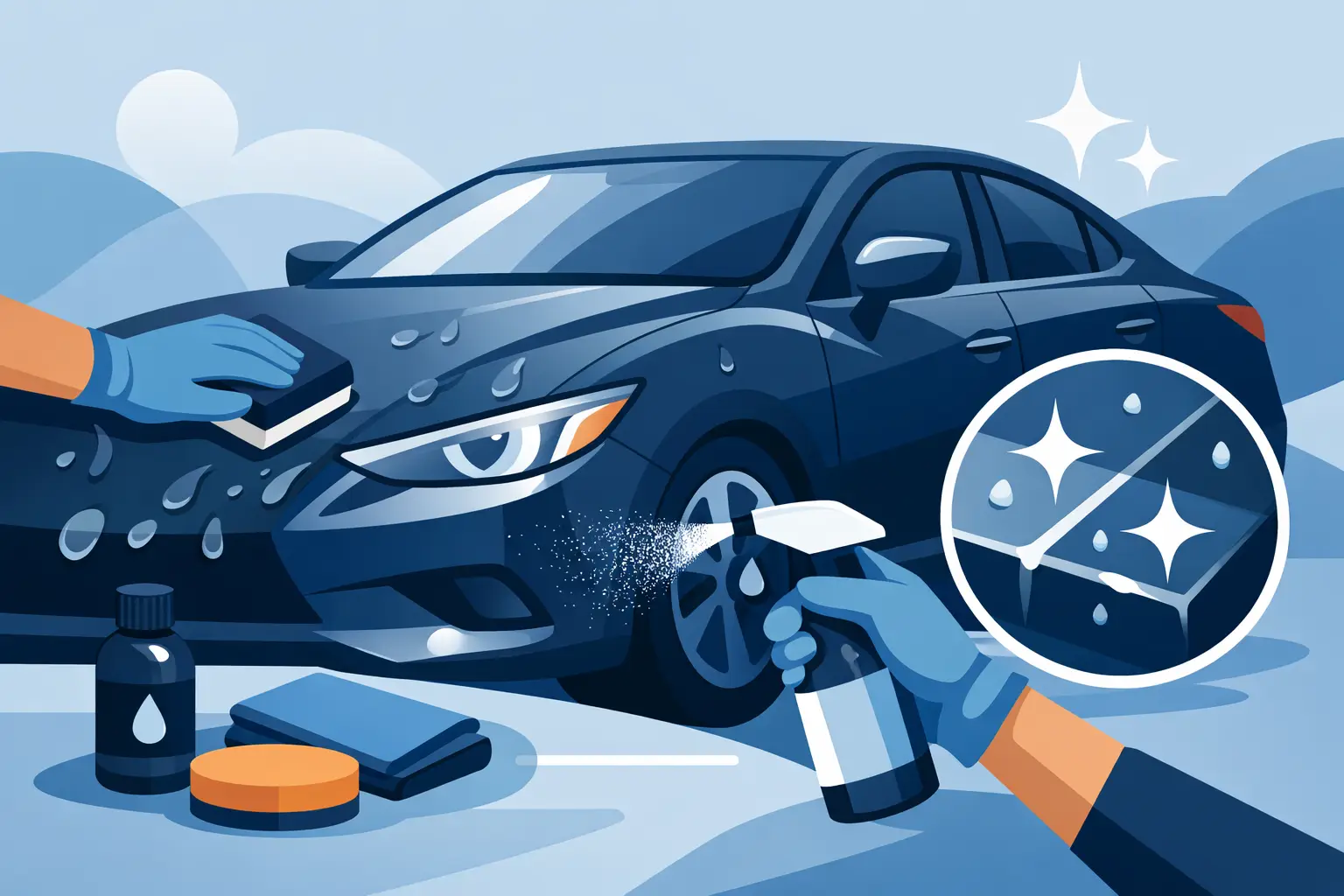
A ceramic-coated vehicle should look noticeably easier to clean after a wash. Water should bead or sheet away, dirt should release with less effort, and the paint should keep that crisp, glossy finish. But ceramic coating is not a force field. Knowing how to maintain ceramic coating is what protects the performance you paid for and helps your vehicle keep its freshly detailed appearance between professional visits.
For Los Angeles drivers, maintenance matters even more. Dust, coastal salt air, construction fallout, intense sun, tree sap, and frequent stop-and-go driving can build up quickly. The good news is that proper ceramic coating care is straightforward. It comes down to washing safely, drying thoroughly, and avoiding the shortcuts that create swirls or leave contamination sitting on the paint.
How to Maintain Ceramic Coating Without Damaging It
The biggest mistake is treating a coated vehicle like any other car. A tunnel wash with harsh brushes may be fast, but it can scratch the clear coat, dull the finish, and leave behind residue that reduces water behavior. Ceramic coating makes the surface more resistant to contamination, not immune to poor wash habits.
Wash the vehicle by hand whenever possible. Start with a cool surface and avoid washing in direct sunlight, especially on hot afternoons. Heat causes soap and minerals in water to dry too quickly, which can leave spots and streaks on the paint.
A proper wash begins with a generous rinse to remove loose dust and grit. Skipping this step and going straight in with a wash mitt can drag abrasive particles across the surface. Use a pH-neutral car shampoo, clean microfiber wash mitts, and separate buckets or rinse water for your mitt. The goal is simple: keep dirt away from the paint while you wash.
Work from the top down. Roof panels, glass, hood, and upper doors are generally cleaner than rocker panels, bumpers, and wheels. Save the dirtiest areas for last, and use separate tools for wheels and tires. Brake dust and road grime should never be transferred onto painted panels.
Wash Often Enough to Stop Buildup
For most vehicles, a hand wash every two weeks is a practical starting point. If the car is parked outside, driven daily, or exposed to coastal conditions, dusty job sites, trees, or bird activity, weekly maintenance may be the better choice.
You do not need to wash just because a few drops of rain hit the car. However, rain does not clean paint. It often leaves behind minerals and airborne grime, particularly after a dry spell. If rainwater dries on the surface and leaves visible spotting, wash it sooner rather than later.
Bird droppings, bug splatter, tree sap, and fuel spills deserve immediate attention. Their chemical or acidic content can etch or stain surfaces if left in place, even when ceramic coating is present. Use a clean microfiber towel and a dedicated quick-detailing spray or rinseless wash solution to gently lift the contamination. Do not scrub a dry, dirty spot with pressure.
There is a balance to strike. Overwashing with poor technique can create more problems than a slightly dusty vehicle. Regular, careful washing is better than aggressive scrubbing every few days.
The Two-Bucket Method Still Has Value
Ceramic coating reduces how strongly dirt sticks, but it does not eliminate grit. The two-bucket method gives your wash mitt a clean rinse before it returns to the paint. One bucket holds shampoo solution; the other holds plain water for rinsing the mitt. Grit guards add another layer of protection by helping debris settle below the mitt.
If you prefer a rinseless wash for apartment living or water-conscious maintenance, it can work well on lightly soiled vehicles when performed correctly. Use plenty of quality microfiber towels, plenty of lubrication, and light pressure. A rinseless wash is not the right choice for a vehicle covered in heavy mud, sand, or thick road grime. In that situation, a full pre-rinse is safer.
Dry the Vehicle Completely and Gently
Water spots are one of the most common reasons a coated car stops looking its best. Los Angeles water can contain minerals that remain behind after droplets evaporate. Ceramic coating may help water release faster, but it cannot prevent spotting if water is allowed to bake onto hot paint.
Dry immediately after washing with clean, high-quality microfiber drying towels. Instead of rubbing hard, lay the towel flat and gently pull it across the panel, or blot larger areas. A filtered air blower is also an excellent option for pushing water out of mirrors, trim, badges, wheels, and body seams.
Pay attention to the areas that hold water. Door handles, side mirrors, emblems, fuel doors, grilles, and window trim can release trapped water after you think the car is dry. A final walk-around prevents those surprise drips from leaving mineral marks down the side of a clean vehicle.
Use Products That Support the Coating
Not every car-care product belongs on ceramic-coated paint. Avoid harsh degreasers, household cleaners, abrasive polishes, and wash soaps designed to strip wax. They can leave residue, alter the coating’s hydrophobic behavior, or wear down the surface unnecessarily.
A pH-neutral shampoo is the baseline. Beyond that, a ceramic-safe maintenance spray can refresh slickness, gloss, and water beading after a wash. These products are not a replacement for the original coating, and they will not fix scratches or contamination, but they can support the coating’s performance when used as directed.
Be cautious with products marketed as all-in-one solutions. Some contain waxes, silicones, or heavy fillers that temporarily make paint look shiny while masking the coating’s true behavior. If water stops beading, that does not always mean the ceramic coating has failed. It may simply be covered by mineral deposits, traffic film, or residue from the wrong product.
Decontaminate When Water Behavior Changes
Ceramic coatings can become clogged with bonded contamination. This is especially common on vehicles parked outdoors or driven near industrial areas, the beach, rail lines, or busy freeways. The coating may still be intact, but the surface can feel rough and water may no longer bead as expected.
Start with a thorough wash. If the paint still feels rough after drying, a professional decontamination treatment may be needed to remove embedded fallout and mineral buildup safely. This may involve a chemical decontaminant, a controlled clay treatment, or a light polish, depending on the condition of the vehicle.
Do not reach for a clay bar aggressively at home just because the surface feels rough. Clay can create marring when used with insufficient lubrication or on heavily contaminated paint. Likewise, polishing is not routine maintenance. It removes a small amount of material and should be performed only when there is a clear reason to do it.
Keep an Eye on the Whole Vehicle
Ceramic coating maintenance is not limited to painted panels. If your coating package included wheels, glass, trim, or exterior plastics, each surface still benefits from proper cleaning. Use a non-acid wheel cleaner for coated wheels, clean glass with an automotive glass cleaner, and avoid dressing products that sling onto paint or leave greasy residue.
The interior matters, too. A clean cabin protects the overall value and feel of the vehicle. Vacuum regularly, remove spills quickly, and use material-appropriate cleaners on leather, vinyl, fabric, and touchscreens. A flawless exterior loses some of its impact when the interior is covered in dust, pet hair, or stains.
Know When Professional Maintenance Makes Sense
A professional inspection or maintenance detail once or twice a year can keep small issues from becoming costly correction work. This is particularly useful if the vehicle lives outdoors, gets frequent highway miles, or has been through automatic car washes before you changed your care routine.
A detailer can assess whether the coating needs a deep clean, decontamination, topper application, or simply a proper reset wash. At Drip N Shine, maintenance work is approached with the same surface-safe process used during paint protection services, so the goal is to preserve the coating and the finish beneath it rather than cover problems up.
Ceramic coating gives you a real advantage, but its best results come from consistent care. Keep the wash process gentle, remove contaminants quickly, and do not mistake temporary water spotting for coating failure. A little attention at the right time keeps your vehicle looking like it was detailed on purpose, not just washed when it got dirty.