
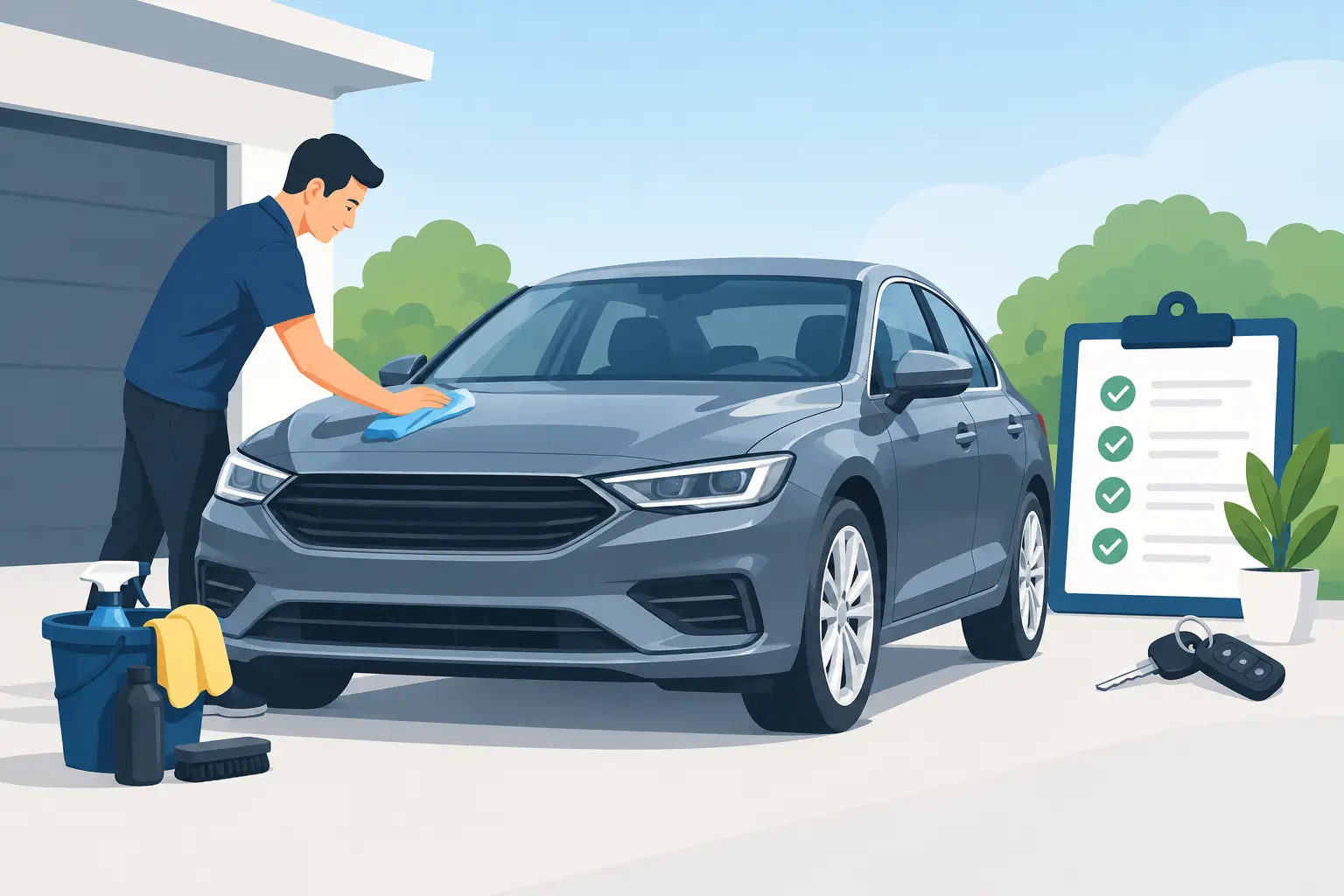
A buyer can decide how they feel about your vehicle before the engine starts. Dust in the vents, cloudy headlights, old receipts in the console, and a stained driver’s seat quietly suggest neglect, even when the car has been mechanically reliable. This guide to vehicle resale preparation focuses on the work that helps your vehicle look cared for, support its asking price, and make a confident first impression.
The goal is not to make an older car look brand-new or spend more than you can recover. It is to remove distractions, correct obvious condition issues, and give serious buyers a clear reason to trust what they see. For Los Angeles sellers, that can matter even more when buyers are comparing dozens of listings online before they schedule a viewing.
Start With a Realistic Resale Plan
Before buying products or booking a service, establish the vehicle’s approximate market value in its current condition. Compare similar year, trim, mileage, drivetrain, and condition vehicles in your area. Be honest about accident history, warning lights, worn tires, and needed maintenance. A clean presentation can improve buyer confidence, but it should never be used to hide a problem.
Decide whether you are selling privately, trading in, or preparing for a dealer consignment sale. Private buyers often respond strongly to a clean interior, glossy paint, complete records, and thoughtful presentation. A trade-in appraisal may place more weight on mileage, market demand, and reconditioning costs, though visible neglect can still reduce an offer.
Set a preparation budget based on the likely return. Spending money on a full detail, paint enhancement, or a small repair is often sensible when it makes the vehicle easier to sell. Replacing every worn component or paying for major cosmetic work may not be worthwhile on a high-mileage vehicle. It depends on the car’s value, condition, and buyer expectations.
Guide to Vehicle Resale Preparation: Fix What Buyers Notice
Walk around the vehicle as if you were seeing it for the first time. Look at it in daylight, then sit in every seat. Buyers notice the details they will touch and live with: dirty glass, sticky cup holders, pet hair, odors, scuffed door panels, torn floor mats, dim lights, and a trunk full of clutter.
Start with practical repairs that affect confidence. Replace burned-out bulbs, install missing wiper blades, top off fluids if appropriate, and address a check-engine light before listing the car. If a warning light is connected to a larger mechanical problem, get a written diagnosis. You do not always need to complete an expensive repair, but you should be ready to disclose the issue accurately and price the vehicle accordingly.
Small cosmetic fixes can be worthwhile when they are clean and durable. A loose license plate frame, missing valve-stem cap, faded wiper blades, or broken interior trim piece can make a vehicle feel less cared for than it really is. Avoid rushed touch-up paint, cheap seat covers, or heavy air fresheners designed to mask odors. Those shortcuts can make buyers more suspicious.
Handle Tires, Glass, and Lights Carefully
Tires are a major visual and safety cue. Uneven wear may raise questions about alignment, suspension, or maintenance. If the tires are worn but still serviceable, disclose the remaining condition instead of making vague claims. If replacement is needed soon, factor that into the asking price or replace them only if the market value supports the investment.
Repair a windshield chip when possible, especially if it sits in the driver’s line of sight. Clean, clear headlights and streak-free glass also make a greater difference than most sellers expect. They improve photos, nighttime visibility, and the overall impression that the vehicle has been maintained.
Detail the Vehicle Instead of Just Washing It
A quick wash removes surface dirt. Professional detailing addresses the condition buyers see up close. That includes thoroughly cleaning wheels and tires, decontaminating exterior paint, treating trim, cleaning door jambs, polishing glass, vacuuming under seats, shampooing or extracting upholstery when needed, and restoring an interior that feels fresh rather than merely scented.
The interior deserves special attention because it is where buyers spend the most time. Remove every personal item from the glove box, seat pockets, center console, trunk, and cargo compartments. Do not forget garage remotes, registration documents, sunglasses, charging cables, and child-seat accessories. Vacuuming alone will not remove embedded sand, pet hair, spills, or odor sources from carpet and upholstery.
For vehicles with swirls, oxidation, dull paint, or light scratches, a polish or paint correction service may improve the finish substantially. There is a trade-off: correction takes time and is not necessary for every vehicle. On a newer, premium, or enthusiast-owned vehicle, paint improvement can strengthen photos and justify a better presentation. On an older daily driver, a thorough exterior detail may be the better value.
Drip N Shine can prepare a vehicle at your home, office, or apartment with professional interior detailing, exterior restoration, and paint enhancement work focused on the condition buyers actually notice. The right service should match your vehicle and sale strategy, not add unnecessary work.
Do Not Overdo Protection Right Before Selling
A quality wax or sealant can add gloss and make the paint easier to maintain while the vehicle is listed. A ceramic coating is usually a long-term ownership investment, not a default resale expense. It may make sense for a high-value vehicle that needs paint correction and will be marketed at a premium, but it is rarely the first place to spend your preparation budget before a quick sale.
What matters most is an even, clean finish with no greasy residue on tires, dashboard surfaces, or pedals. Buyers want a vehicle that looks properly cared for, not one that feels artificially dressed up.
Gather Proof of Care Before You List
A clean vehicle earns attention. Documentation supports the price. Gather service invoices, maintenance records, tire receipts, warranty information, spare keys, owner’s manuals, and any records for recent repairs. Organize the originals in a simple folder and prepare copies or photos for serious buyers.
If the vehicle has an accident history, do not wait for a buyer to discover it through a report. Explain what happened, identify the repair facility if you can, and share documentation. The same applies to an open recall, branded title, or mechanical issue. Clear disclosure filters out the wrong buyers and protects your time.
Take photos only after the detail is complete. Use an uncluttered location with even daylight and photograph all four exterior corners, both sides, wheels, front and rear seats, dashboard with the vehicle safely parked, cargo area, engine bay if clean, and any notable features. Include honest photos of meaningful flaws. A buyer who knows about a bumper scuff before arriving is less likely to treat it as a surprise negotiation tactic.
Prepare for the Test Drive and Final Handoff
Keep the vehicle clean while it is listed. Park away from trees when possible, avoid eating in it, and use clean floor mats or protective paper for showings. Before each appointment, check for dust, fingerprints on screens, trash, and new dirt on the exterior. Five minutes of upkeep protects the work you already paid for.
For a private sale, meet in a safe public place when practical and verify that a test driver has a valid license. Go with them on the drive, keep the route reasonable, and do not hand over keys or paperwork until payment has been verified. Follow California title-transfer and release-of-liability requirements carefully, since paperwork mistakes can create problems after the sale.
The best resale preparation does more than make a car photograph well. It gives the next owner a clear, credible picture of how the vehicle has been treated. Put the effort into the surfaces they see, the records they review, and the details they remember after they leave.